 Maintaining a healthy lifestyle is essential for women at every stage of life. The choices we make about nutrition, exercise and self-care have a significant impact on our overall well-being and reproductive health. At River City OB/GYN, we believe that empowering women in Midlothian, Bon Air, Tuckahoe and Lakeside, VA to adopt healthy lifestyle habits is one of the best ways to promote long-term health, enhance fertility and improve the quality of life.
In this blog, we’ll explore how proper nutrition and exercise can help maintain a healthy lifestyle, and we’ll dive into the impact of lifestyle choices on reproductive health. By adopting healthier habits, women can boost energy levels, manage stress and reduce the risk of chronic diseases. Let’s take a look at how you can prioritize your health through balanced nutrition and fitness.
Nutrition Tips for Women’s Health
Good nutrition is the foundation of overall well-being. For women, it plays a critical role in maintaining hormonal balance, promoting fertility and supporting pregnancy health. Here are some key tips to ensure you’re getting the right nutrients:
Eat a Balanced, Nutrient-Rich Diet
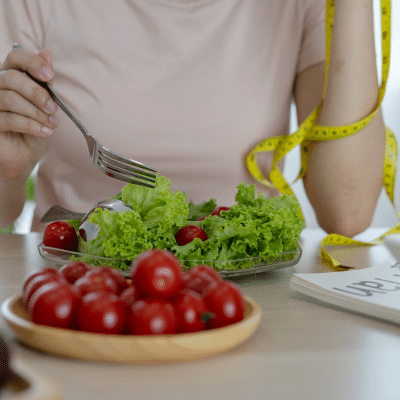
A balanced diet provides the body with essential vitamins and minerals, helps maintain a healthy weight and supports reproductive health. Try to include the following foods in your diet:
- Fruits and Vegetables: These should be the cornerstone of your meals. They are rich in antioxidants, vitamins and fiber. Aim for a variety of colors on your plate, which will provide a wide range of nutrients.
- Whole Grains: Choose whole grains like brown rice, quinoa and oats over refined carbohydrates to support stable blood sugar levels and prevent hormonal imbalances.
- Lean Protein: Foods like chicken, turkey, fish, eggs and plant-based proteins such as beans and lentils are essential for muscle growth and repair, and they also help in hormone production.
- Healthy Fats: Incorporate sources of omega-3 fatty acids found in fatty fish, nuts, seeds and avocado. Healthy fats are important for regulating hormones, supporting brain function and boosting mood.
Focus on Calcium and Vitamin D
Women, particularly as they age, are at higher risk for osteoporosis. Ensuring that you’re getting enough calcium and vitamin D can help maintain strong bones. Foods like dairy products, leafy greens and fortified plant-based milks provide calcium, while vitamin D can be sourced from sunlight or fortified foods like cereals and milk.
Stay Hydrated
Drinking enough water is often overlooked but is critical for maintaining energy levels, promoting digestion and flushing toxins from the body. Aim for at least eight glasses of water a day, or more if you’re physically active.
Limit Processed Foods and Added Sugars
Processed foods and foods high in added sugars can lead to weight gain, inflammation and hormonal imbalances. Try to avoid sugary snacks and drinks, opting for healthier alternatives like fruit or unsweetened beverages.
Exercise and Women’s Health
Regular physical activity is vital for maintaining a healthy weight, improving cardiovascular health and managing stress. For women, exercise has the added benefit of supporting hormonal health, regulating menstrual cycles and improving fertility. Let’s explore different types of exercise that are beneficial for women’s health:
Cardiovascular Exercise
Engaging in regular cardiovascular exercise, such as walking, jogging, swimming, or cycling, is essential for heart health and overall fitness. Cardiovascular exercise also helps regulate hormones and promotes better circulation, which can improve fertility and menstrual cycle regularity.
Strive to engage in at least 150 minutes of moderate-intensity aerobic exercise every week to support your overall health and well-being. If you’re new to exercising, start slow and gradually build up to this goal.
Strength Training
Strength training is essential for building and maintaining muscle mass, particularly as we age. It also supports bone health, which is crucial for women, especially after menopause. Weightlifting or bodyweight exercises like squats and lunges help to improve muscle tone, support metabolism and enhance overall strength.
Try to include strength training exercises 2-3 times per week, focusing on different muscle groups.
Flexibility and Balance Exercises
Incorporating flexibility exercises like yoga or Pilates can enhance your range of motion, improve posture and help reduce stress. These exercises also improve mental clarity and promote relaxation, which is important for overall health.
The Impact of Lifestyle Choices on Reproductive Health
Women’s lifestyle choices directly impact their reproductive health, from fertility to pregnancy. Here’s a closer look at how different lifestyle habits can influence reproductive function:
Healthy Weight
Achieving and maintaining a healthy weight plays a vital role in supporting hormonal balance and promoting fertility. Both underweight and overweight conditions can lead to hormonal disruptions that may affect ovulation, menstrual regularity and fertility. Following a balanced diet combined with regular physical activity is key to reaching and sustaining a healthy weight.
Stress Management
Chronic stress can negatively impact reproductive health by increasing cortisol levels, which may disrupt the balance of other important hormones. Managing stress through relaxation techniques like meditation, deep breathing, or engaging in hobbies you enjoy can help balance hormones and promote reproductive health.
Limit Alcohol and Avoid Smoking
Excessive alcohol consumption and smoking are associated with increased risks of infertility and pregnancy complications. Reducing alcohol intake and quitting smoking can significantly improve your chances of conception and overall reproductive health.
Caffeine Intake
Moderate caffeine intake is generally considered safe for most women, but excessive caffeine consumption can potentially interfere with fertility. Limit caffeine intake to 200–300 mg per day, which is roughly equivalent to two cups of coffee.
Regular Checkups
Regular visits to your OB/GYN are crucial for monitoring reproductive health. Your doctor can help identify any issues early on and provide guidance on maintaining a healthy lifestyle. Preventive care, such as annual exams and screenings, can help you stay on top of your health.
Final Thoughts: Prioritize Your Health
Maintaining a healthy lifestyle through proper nutrition, regular exercise and stress management is one of the best ways to support your overall health and reproductive function. Whether you’re looking to improve fertility, manage hormonal imbalances, or simply feel your best, adopting these healthy habits can have a profound impact.
Lifestyle and Nutrition for Women’s Health: Request Your Appointment in Midlothian, VA Today
At River City OB/GYN, we proudly serve families in Chesterfield County. If you have questions about lifestyle, nutrition, exercise, or reproductive health, we are here to provide personalized care and guidance. Take the first step toward a healthier life by requesting your appointment with us today.
